
I get up at 5:45 most mornings, and by 8:15 I have trained, sat in the sauna, eaten the same breakfast I eat every day, and seen the kids off. This post is the whole routine, step by step, exactly as I do it.
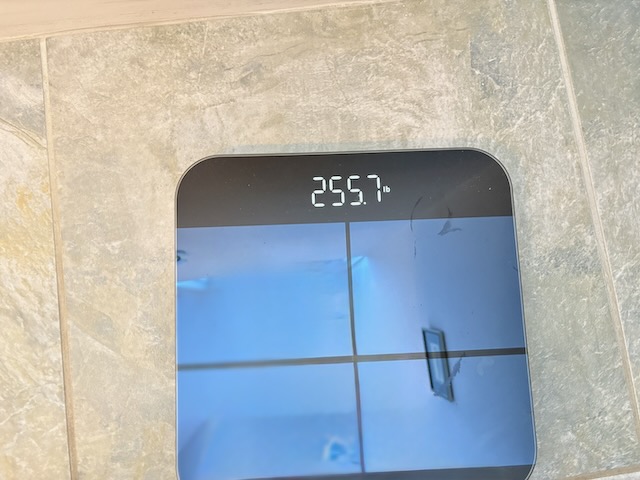
A note on the photos: they are mine, from September 2025, when I first published this post. The scale in the first one reads 255.7 pounds. It reads about fifty less now. How the weight came off is its own story, which I have told in full. What the routine did was give every day the same spine, so nothing depended on motivation. I have also rewritten the words, because the old version promised more than a routine can deliver.
Why a morning routine matters more after 50
The honest version first. Your metabolism is probably not the problem. I used to blame mine, and the first version of this post repeated the slowing-metabolism line. Then I read Herman Pontzer’s measurement work (Science, 2021): after accounting for body size, daily energy expenditure stays fairly stable from your twenties into your sixties. So I stopped using age as the explanation.
What does change is everything around the metabolism. Muscle goes quietly if you do not train it. Testosterone drifts down about a percent a year, and there are natural ways to push back. Recovery takes longer, so the training you skip costs more than it did at 35. And the day fills up: by 8 AM someone else usually owns your calendar. The morning is the one block a father can reliably defend, which is the real reason this routine lives there.
Get the next one in your inbox
I write about longevity, training, and preventive health weekly — without the guru worship. Free, no spam, unsubscribe whenever.
The routine, step by step
5:45: wake up
My bedroom windows face east, so most mornings the light does the work, with my watch tapping my wrist as backup. If your bedroom does not cooperate, a sunrise lamp gets you most of the same effect. Nothing heroic happens here. No ice, no breathing protocol, just up.
The scale and the blood pressure cuff
I weigh myself every morning at the same time and let HappyScale smooth the noise into a weekly trend, and I try to only react to the trend.
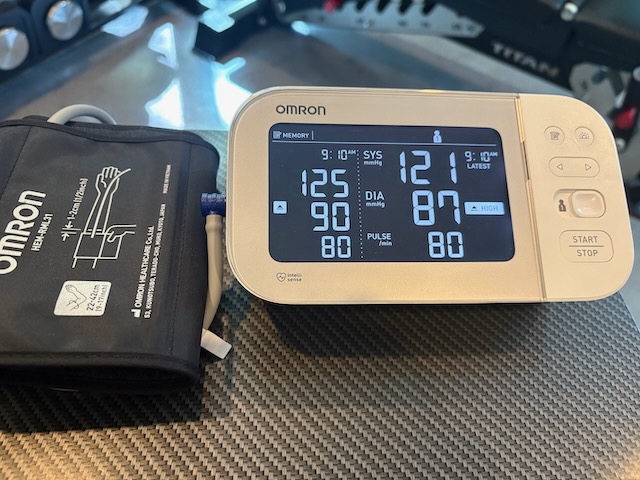
Then blood pressure. I have hypertension, so for me this is non-negotiable, but I would argue for it either way. One reading a year at your physical is not monitoring, and white-coat nerves can make even that reading unreliable. A home cuff is cheap, takes ninety seconds, and mine lives next to the bench in the garage.
Creatine and a big glass of water
Five grams of creatine monohydrate stirred into water, every day including rest days. For men our age the strength evidence is solid; the brain evidence is more preliminary than the marketing suggests.
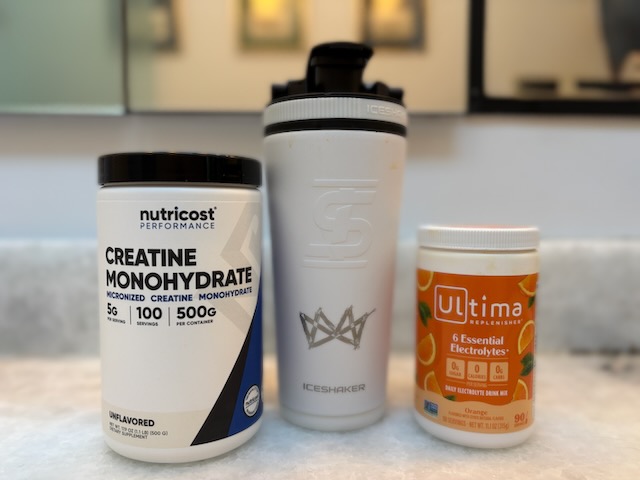
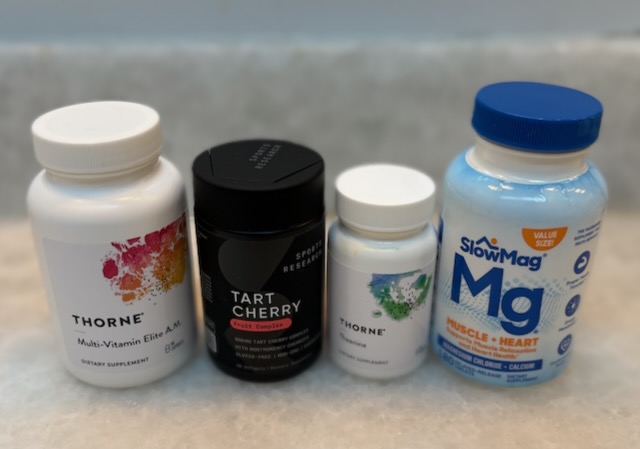
A confession attached to that photo: I hate plain water. The orange tub of electrolytes has since been replaced by low-sodium flavor drops, which I use for exactly one reason, they make me drink more of it. If you like water, you need none of this.
The other bottles have thinned out too. The tart cherry in the next photo did not survive my own cull of everything I could not feel or measure. The multivitamin stays, eyes open, as cheap insurance.
Breakfast: decaf, oatmeal, raspberries
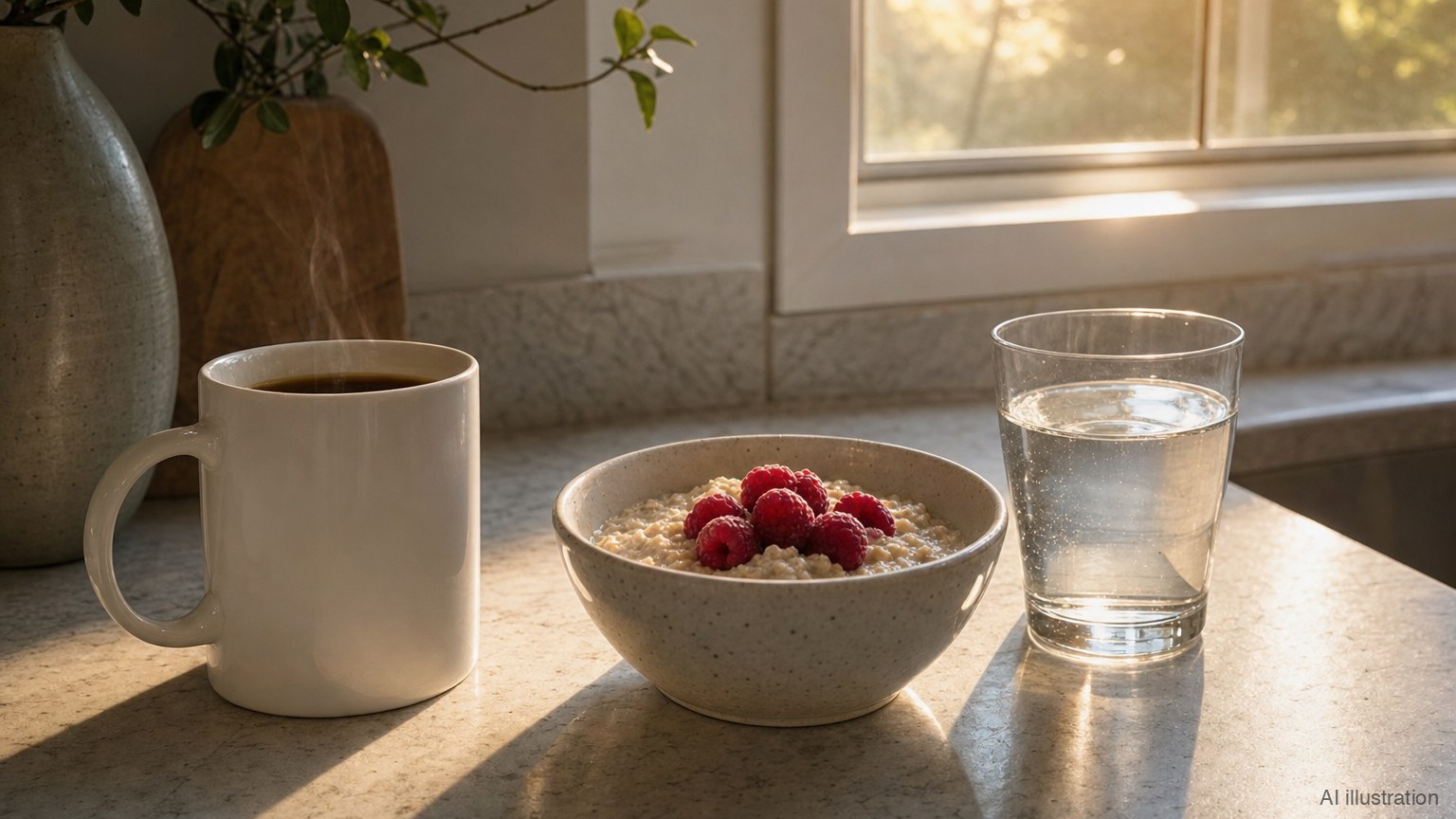
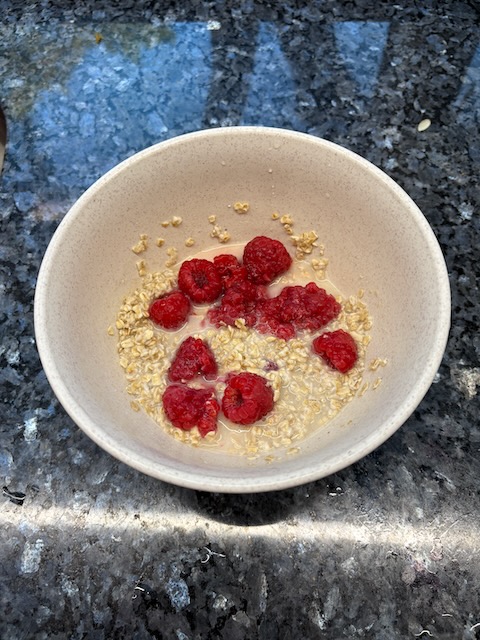
The coffee is decaf; the only caffeine I take is a pre-workout scoop on training days, a trade I covered in the caffeine post. Oatmeal with raspberries because it is fast, cheap, high in fiber, and I never have to think about it. That is the underrated part of a fixed breakfast: zero decisions before 7 AM.
The kids
Then the boys get up and the morning stops being mine, by design. Training early means I am done being selfish by the time anyone needs breakfast, a signature, or a referee.
The workout: an hour, written by my coach
Five mornings a week, about an hour: lifting plus a warm-up, mobility work, and a core block, with cardio on a couple of days. I do not program any of it myself. My coach writes it and it arrives through an app, which is also the accountability: someone I respect sees whether I did the work.
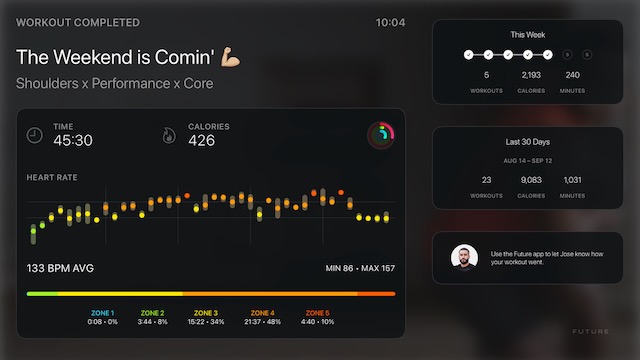
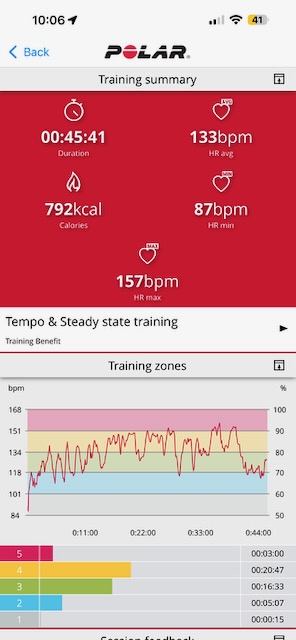
I train in the garage (the exact setup is here), and I would pick that over any commute to a gym. The heart-rate strap is not required equipment. I just like the data.
Sauna, then a contrast shower
Fifteen to twenty minutes somewhere between 160 and 180 degrees, with water during and after. I am lucky: the sauna came with the house. I like it and usually feel better afterward. The Finnish studies linking frequent sauna use to better health are observational, so they cannot prove the sauna did it, and I use it because I enjoy it, not as treatment. I later put the heat and the cold side by side in a look at which one the evidence actually supports.
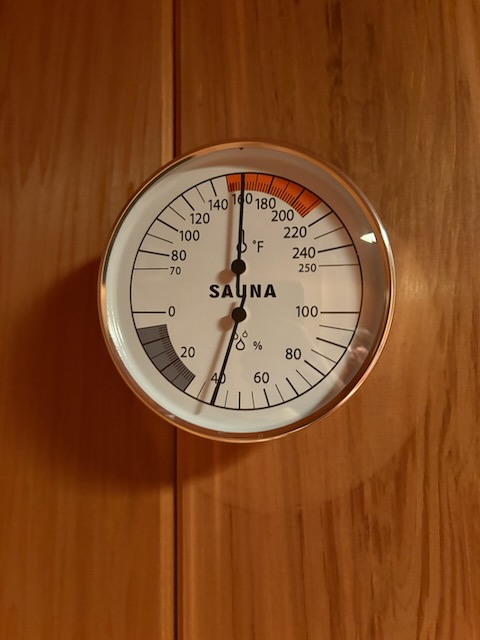
The shower afterward alternates warm and cold for two or three rounds. Think of it as the rational person’s cold plunge: most of the alertness, none of the tub.
Skincare, the part I skipped for fifty years
I never took care of my skin. An episode of Peter Attia’s The Drive convinced me that was dumb, especially for someone as fair-skinned as me.
The routine takes thirty seconds: cleanser, a serum, moisturizer, sunscreen. The sunscreen is the part that matters. The rest I hold to a lower standard of proof.

If you do not have two and a half hours
Most mornings do not need the full version. The order I cut: sauna goes first, then the workout shrinks to twenty minutes rather than disappearing. On a terrible morning I drink the creatine, step on the scale, and put on the cuff. Five minutes, maybe less. Sometimes that is all I do, and the streak survives.
If 5:45 sounds unhinged, move your wake-up fifteen minutes earlier each week and let the light help. Start the routine at whatever hour you actually own.
How long before it sticks
The 21-day habit rule is a myth. The one real dataset I know of, a University College London study (Lally et al., 2010), followed people building a single new habit and found a median of 66 days before it ran on autopilot, with a huge range around it, 18 days to 254. Plan on two months, not three weeks. Missing a single day made little difference in their data, so I do not treat a blown morning as meaning anything.
That is the whole routine. Nothing in it is clever, and at 53 I think that is the feature: the morning is not where I optimize, it is where I remove decisions. By 8:15 the day can go sideways and the important things have already happened.
About Gunnar
Gunnar is 53. He lost about 170 pounds, trains in a garage gym, and writes DadStrengthDaily from personal experience, citing primary sources where he can. He also moderates r/ProactiveHealth. He is not a doctor, and nothing here is medical advice. Talk to your own doctor before acting on anything, especially GLP-1s, TRT, blood pressure, sleep apnea, and cancer screening.