Don’t Retire From Something. Build Toward Something.
Finding purpose in retirement is the part no one plans for. Why a project beats a blank calendar, what the research on hobbies and mattering shows, and how to start before you retire.
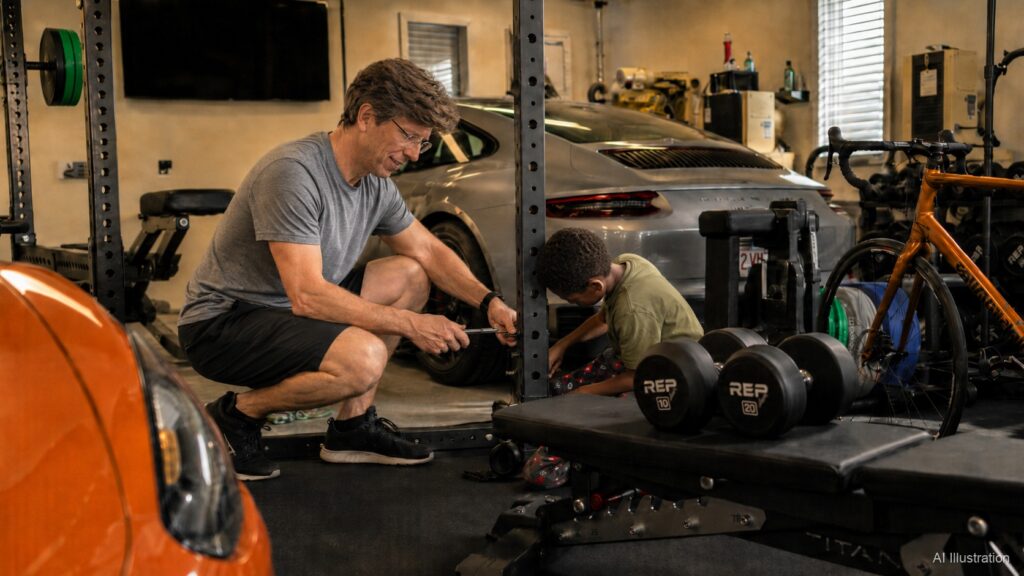
Finding purpose in retirement is the part no one plans for. Why a project beats a blank calendar, what the research on hobbies and mattering shows, and how to start before you retire.
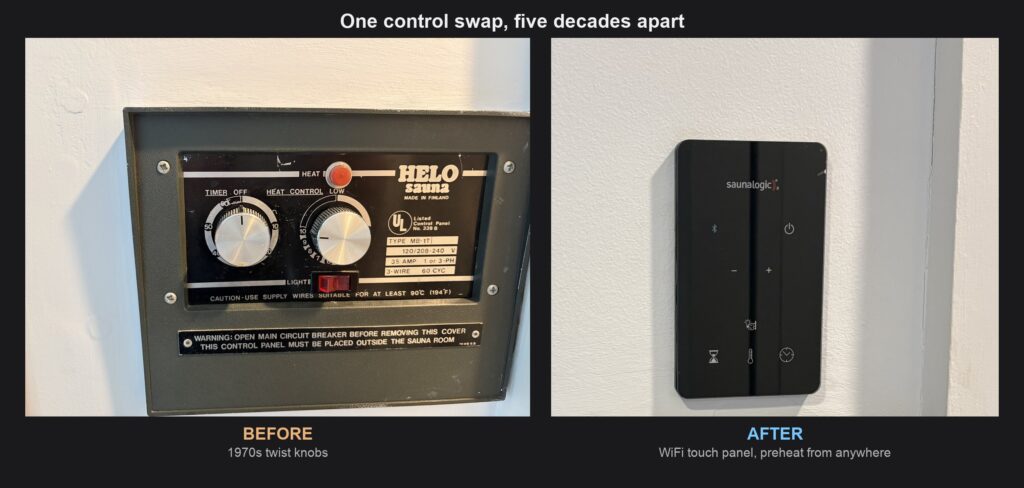
Cold plunges get the attention, but the sauna is the one with decades of hard-outcome data. What the evidence actually says, and why I sauna and skip the plunge.
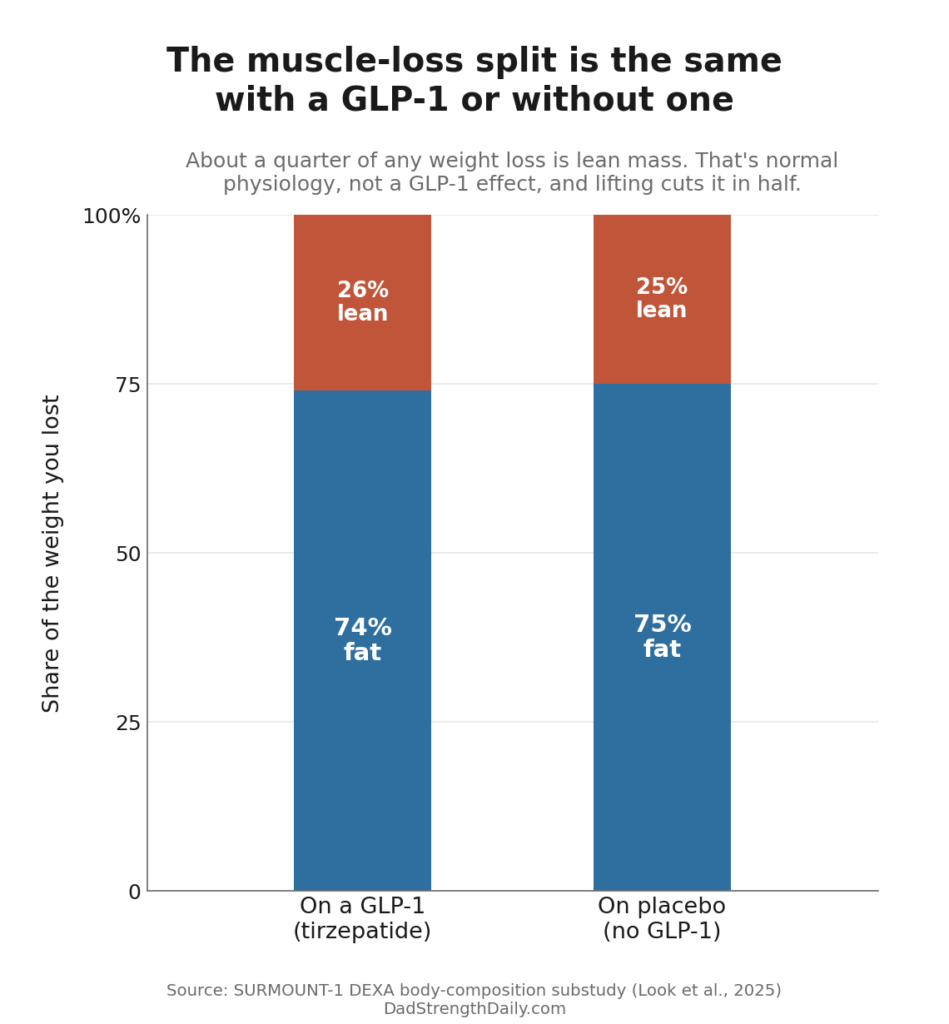
The GLP-1 muscle loss panic scared me into training at 50. It turned out overblown, but the habit stuck. What the evidence actually says about muscle, and why you train after 50.
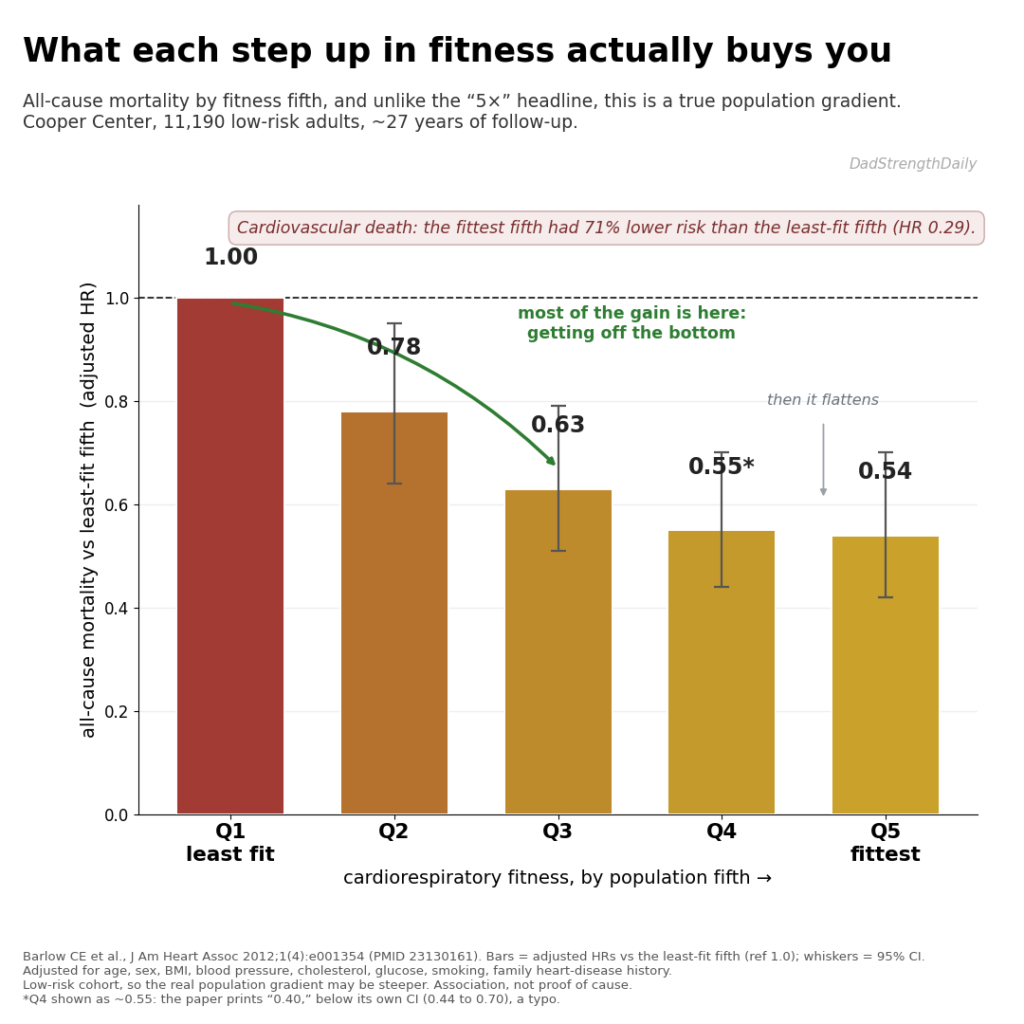
The “five times the risk” number is real. The useful lesson for a fifty-year-old is smaller, less sexy, and more actionable. I have read the claim that VO2 max is the single best predictor of how long you will live so many times that I had stopped seeing it. It is everywhere in the longevity
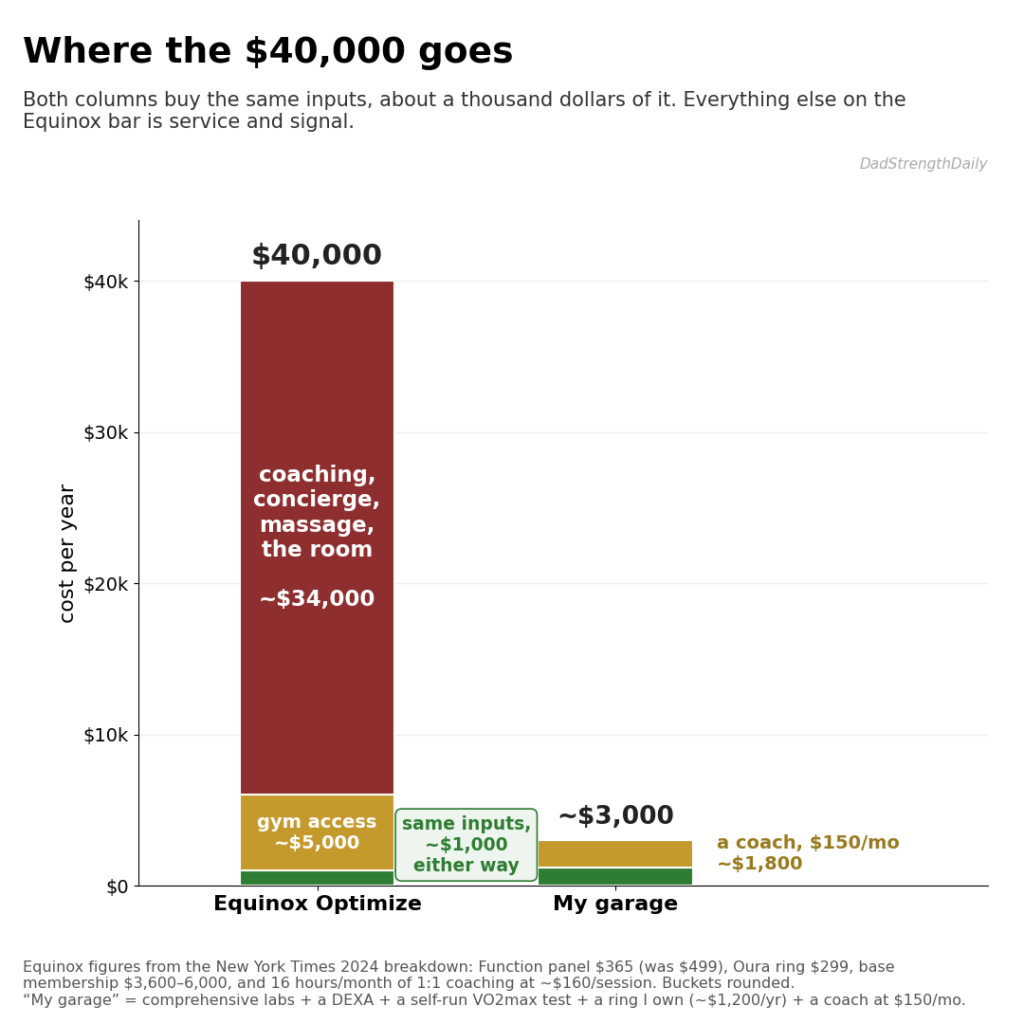
Equinox sells a $40,000 longevity membership with a thousand people waiting. I run the same core protocol out of my garage for a few thousand a year. Here’s where the other $39,000 actually goes, and why some of the most expensive testing can leave you worse off.
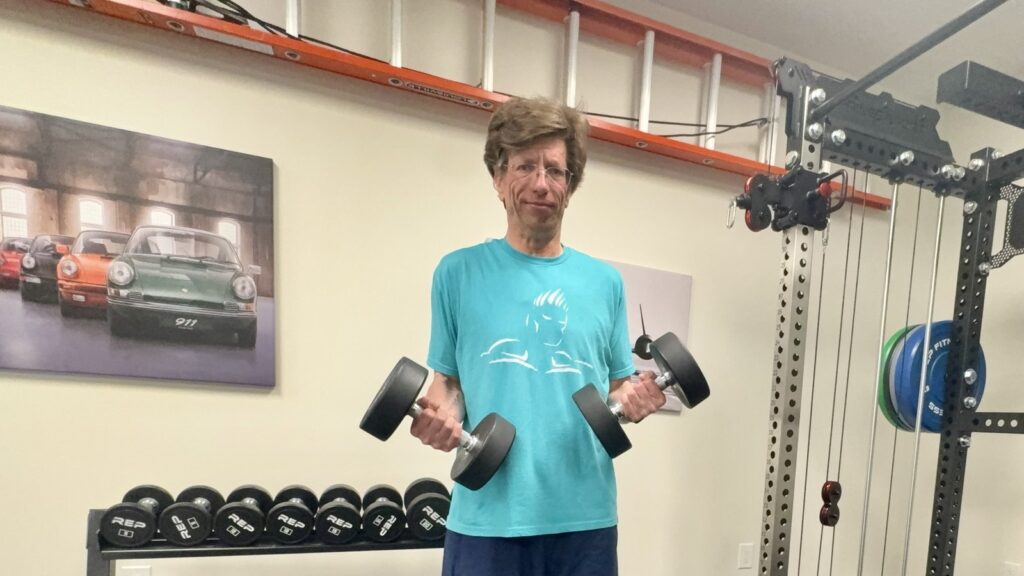
A 147,000-person, 30-year Harvard study gives a rough number for the strength-training half of the exercise guideline: around 90 to 120 minutes a week, and it pairs with walking better than it replaces it.

Federal researchers buried a study showing no safe level of drinking. The red-wine myth, and what alcohol quietly costs your sleep, testosterone, blood pressure, and training recovery after 50.
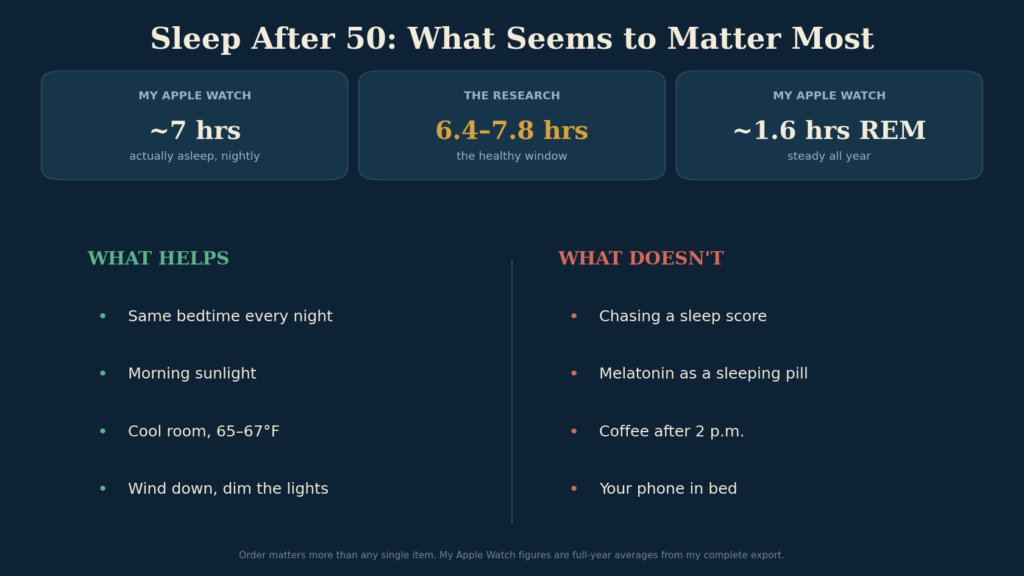
After 50, better sleep came down to two boring things: enough hours and a steady schedule. What a year of my own Apple Watch data and the evidence showed.
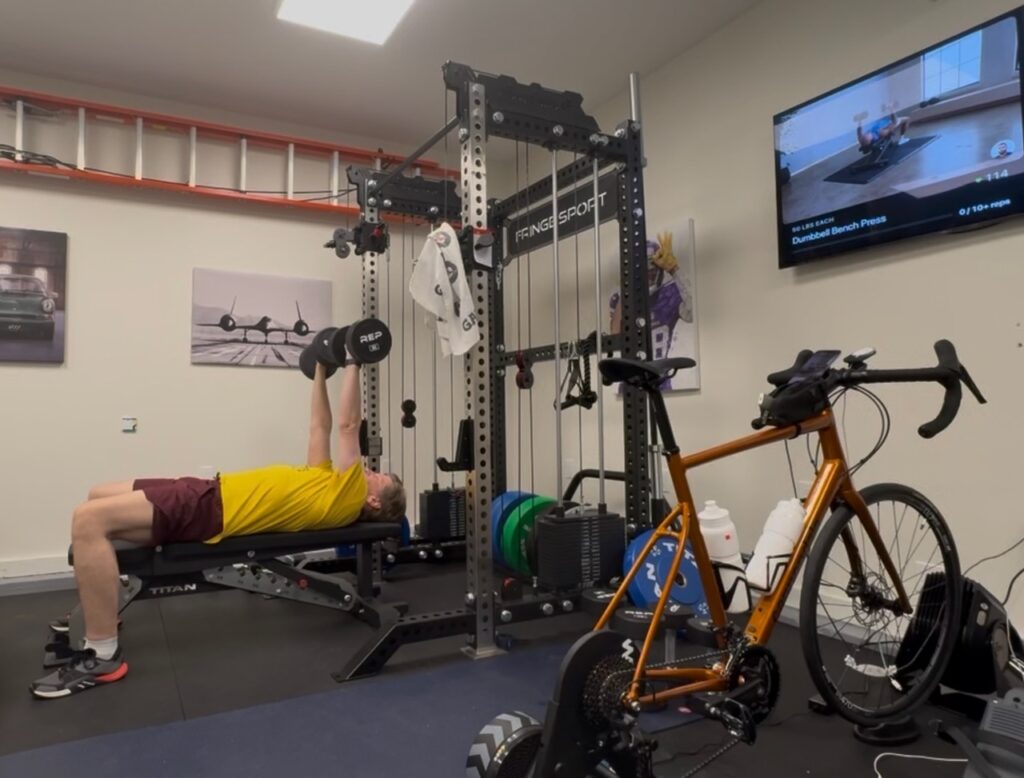
A study of 479,000 adults found cyclists had 22% lower Alzheimer’s risk, 40% lower young-onset dementia risk, and measurably larger hippocampi than nonactive controls. Here’s what the data actually shows, the APOE caveat the headlines missed, and the negative RCT you should hold next to it.
I read a USA Today story this week about the rise of “biohacking,” and my first reaction was that it mostly got the vibe right. More wearables. More self-ordered labs. More biological-age tests. More longevity clinics. More guys showing up with a screen full of numbers and the feeling that they’re finally getting serious about