
Seven Vaccines After 50, and Nobody Is Keeping the List for You
What each shot is for, how often it comes around, how to pull your own record, and what that record cannot tell you.

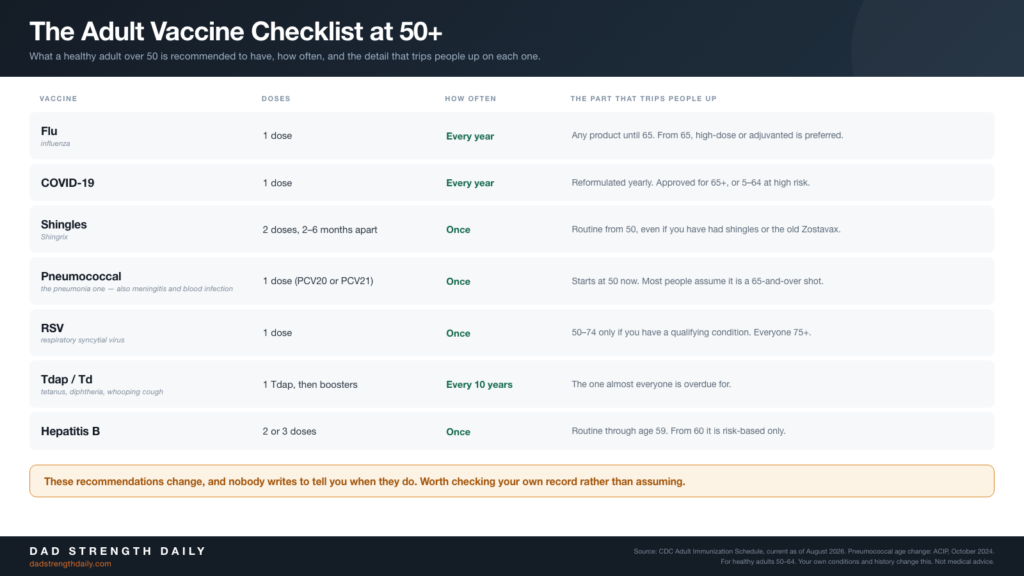
What each shot is for, how often it comes around, how to pull your own record, and what that record cannot tell you.
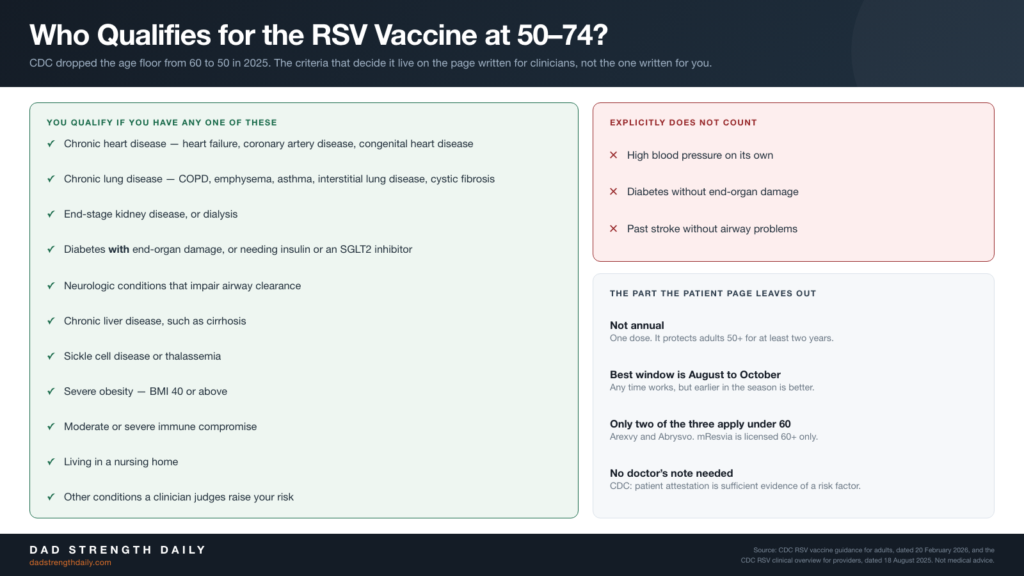
What changed for adults 50 to 74, where the real eligibility list is kept, and why a 53-year-old with a genuine cardiovascular problem still cannot tell whether it includes him.
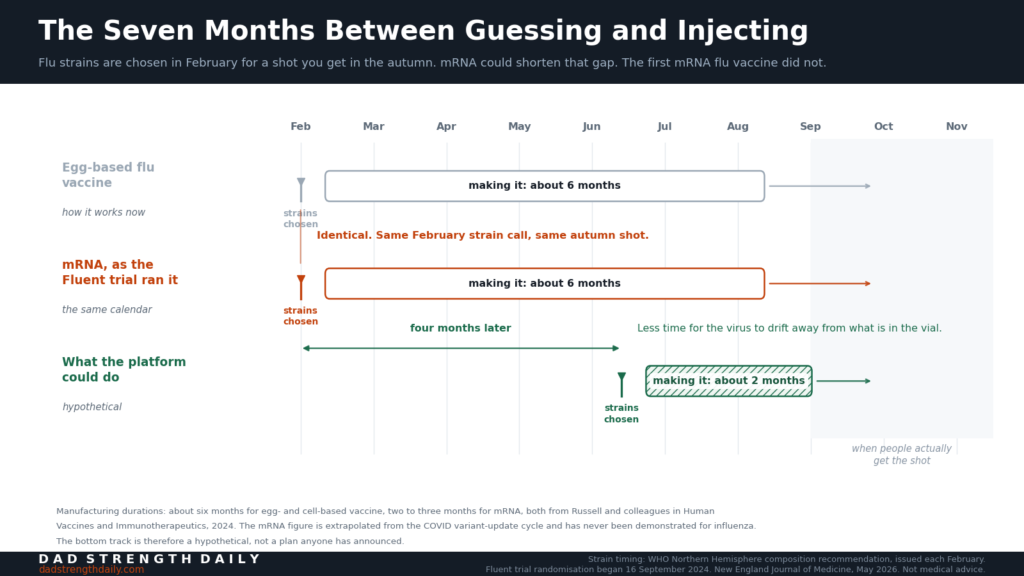
Moderna’s mFLUSIVA was approved on August 5. The most interesting thing about it is what its own approval failed to demonstrate.
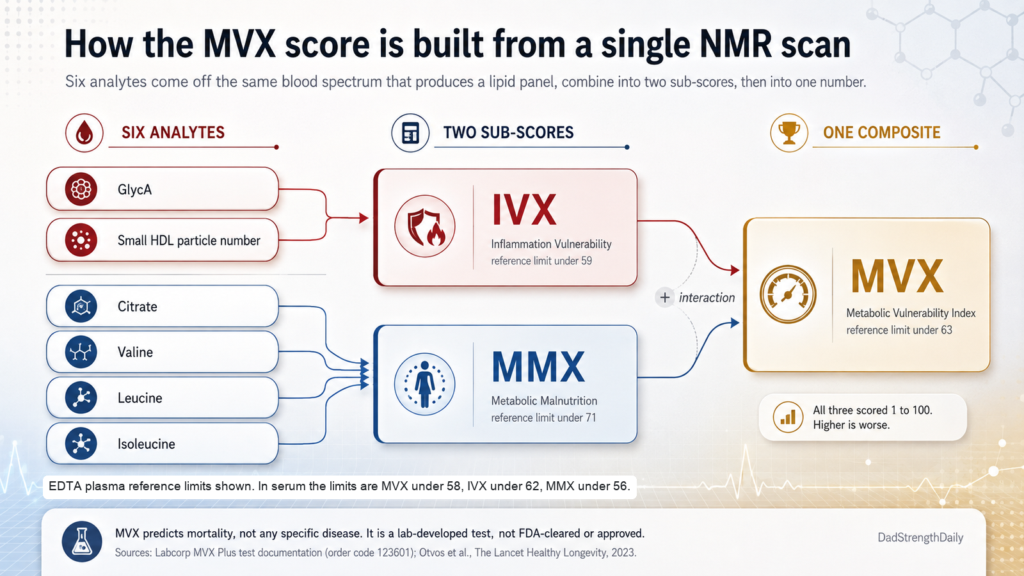
MVX tracks mortality across several cohorts, but nobody has shown that lowering the score improves survival, or what a healthy person should do with the result.
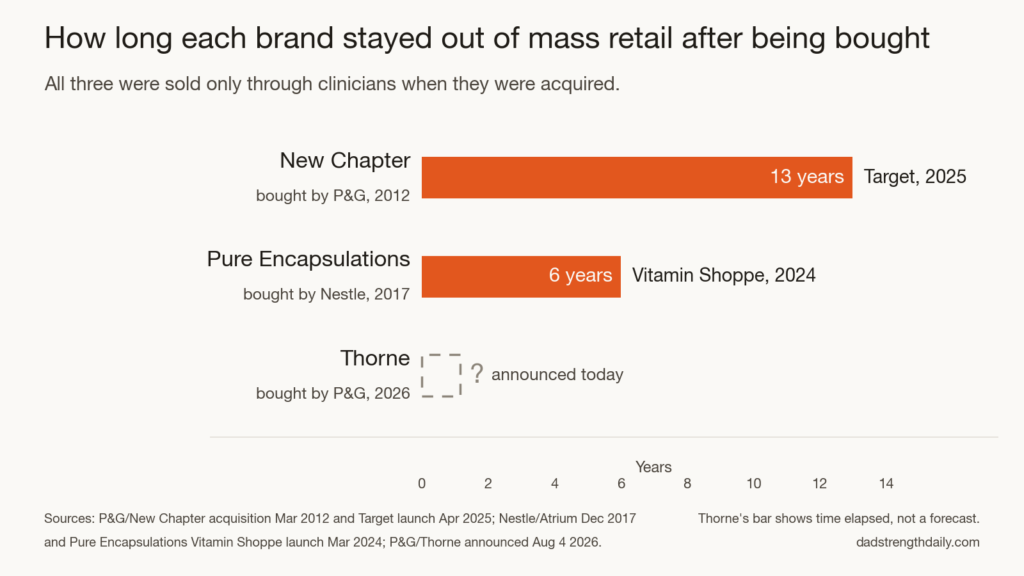
I have three Thorne products in my cabinet. Here is what the P&G Thorne acquisition actually changes, based on the brands bought before it.
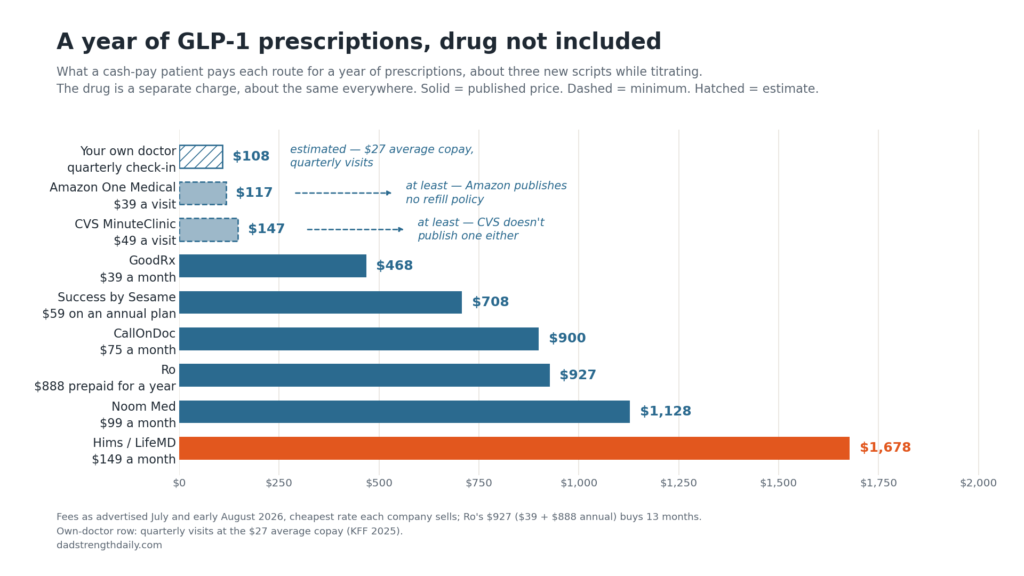
When insurance says no, the drug costs what LillyDirect and NovoCare charge, just about wherever you buy it. The prescribing service is the part you can shop, and it runs from about $100 to nearly $1,700 a year.

A trademark, a Netflix series, and about $100,000 a year for a city to keep the certification. The business kept growing while the science underneath it kept shrinking.
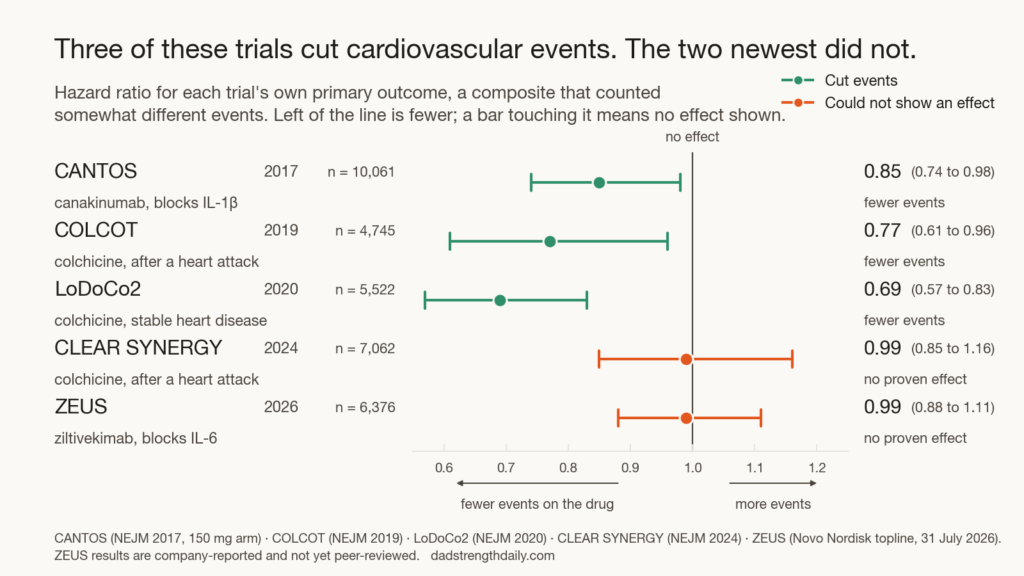
Updated September 7, 2026 with the HERMES and ATHENA trials both stopped early. ZEUS lowered inflammation exactly as designed and did not cut cardiovascular events. That weakens hs-CRP as something to treat, not as something worth measuring. Update, August 22, 2026: the people behind the colchicine trials have answered ZEUS, and a new UK Biobank
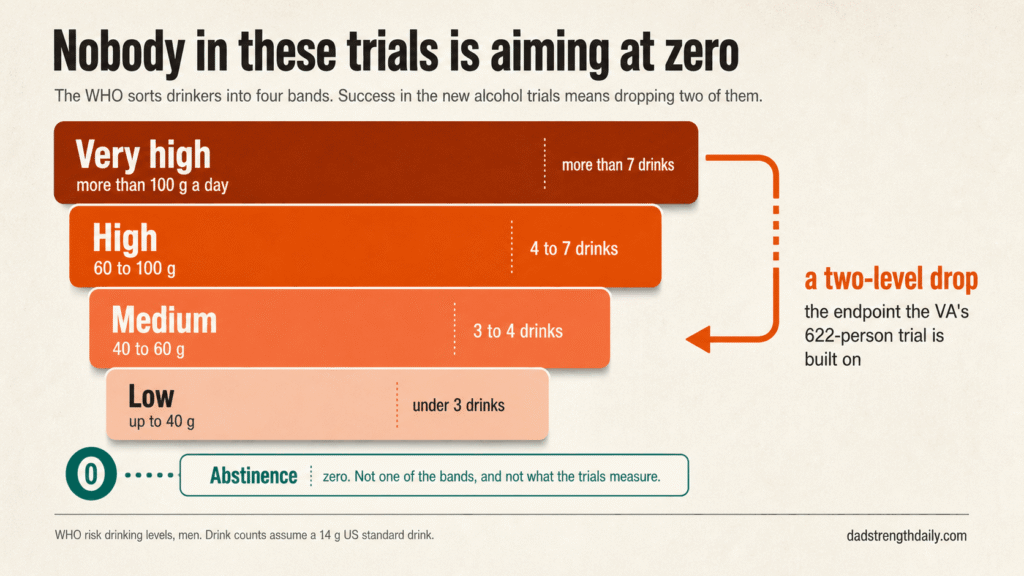
Oral semaglutide missed its primary endpoint for drinking. The VA’s new 622-person phase 3 is built on the one result that trial failed to get.
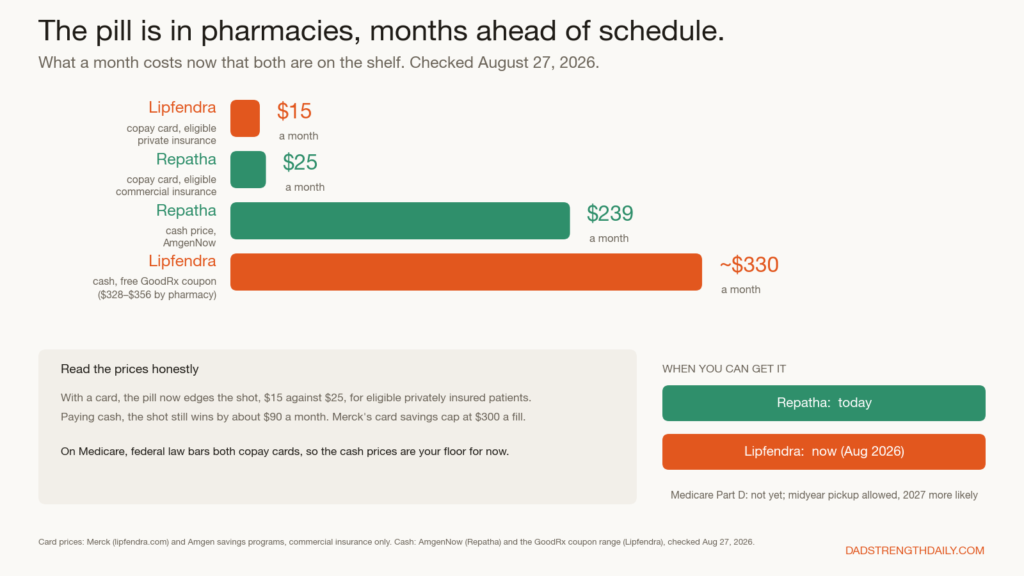
Both drugs block PCSK9 and cut LDL by about the same amount. Repatha is available now and cheap for most insured people. Lipfendra saves you the needle but asks for a daily fasting window, and paying cash it costs $89 to $117 a month more than the shot.